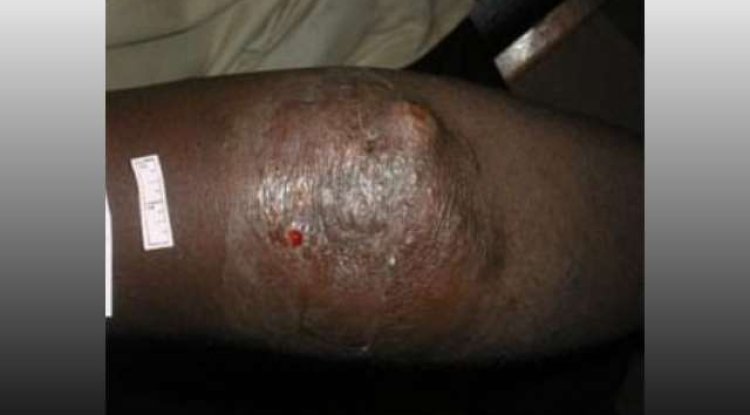
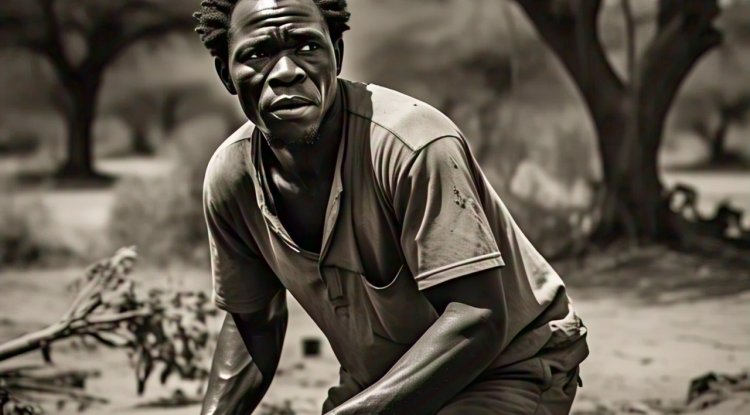
Beyond the Myths: Understanding Buruli Ulcer (Acha-ere), It's Causes and Impacts.
Buruli Ulcer remains a significant public health concern in Nigeria, further worsened by misconceptions and delayed treatment. This paper has been able to provide an evidence-based exploration of th disease by highlighting the need for increased public awareness, education and research.
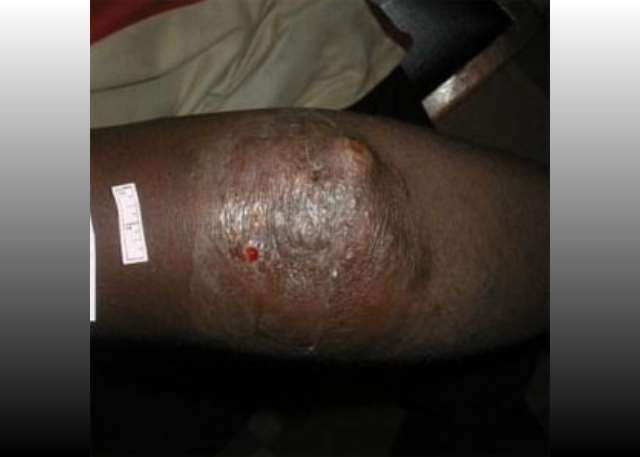
BEYOND THE MYTHS: UNDERSTANDING BURULI ULCER (ACHA-ERE), ITS CAUSES AND IMPACTS.
By Paschalis Chidubem Onwujulu
INTRODUCTION: Despite the significant strides made in increasing life expectancy and reducing some killer diseases, people’s beliefs and attitudes to some diseases seem to be inimical to the attainment of this goal (Ajide, 2017). Buruli ulcer (Acha-ere), a chronic and enervating disease has long been shrouded in mystery and deep misconceptions in Nigeria, especially among the easterners. Despite the prevalent cases of its occurrences, the disease remains poorly understood, leading to delayed treatment, stigma, and unnecessary suffering of the victims. This paper aims to dispel the myths surrounding Buruli Ulcer (Acha-ere) by providing an evidence-backed exploration of its causes, symptoms, and impacts.
WHAT IS BURULI ULCER?
Buruli ulcer is a necrotizing cutaneous infection caused by infection with mycobacterium ulcerans bacteria that occurs mainly in the tropical and subtropical regions (Yotsu et al., 2018). The mycobacterium ulcerans (MU) are slow growing mycobacteria that produce a soluble polykeditexo toxin called mycolactone which are able to diffuse deeply in the subcutaneous tissues (Etusim et al., 2020). It begins with a painless swell or nodule on the skin, usually at the legs or arms, and progresses if left unchecked to a painful ulcer with undermined edges over weeks to months. Buruli ulcer leads to permanent disfiguration and disability if left untreated in more than a quarter of the patients (Asiedu, 2017) Due to the immunosuppressive and cytoxic properties, there is a high rate of tissue dysfunction without inducing inflammation or symptoms such as fever, malaise or adenopathy (Etusim et al., 2020). The germ that causes Buruli ulcer belongs to the same family of those that cause tuberculosis and leprosy (WHO, 2023)
The history of Buruli ulcer in Africa has publications before and after 1980 in countries like Nigeria, Ghana, Gabon, and Congo. It was a group of Ugandans better known as Uganda Buruli group who after studying the epidemiological and clinicopathological aspects of the diseases termed it Buruli Ulcer (Etusim et al., 2020). Reason being that a large number of cases were first recorded in the district of Buruli near Lake Kyoga. Research shows that Buruli ulcer has been reported in over 33 countries around the world, and the greatest burden of the disease is in the tropical regions of West Africa and Central Africa, Australia, and Japan (Onwuchekwa et al., 2019). This is contrary to the infamous belief that Buruli ulcer exists only in the eastern part of Nigeria.
Very few cases of Buruli ulcer have been well documented in Nigeria. In 1976, 24 cases were recorded in Oyo state, 14 cases were also reported in some southern states of Nigeria while in 2012, Anambra, Ebonyi and Cross River States reported 9 cases each ( Ukwuaja et al., 2016) several cases of Buruli ulcer in Nigeria are being treated in the Traditional/Herbal homes which makes it a little bit difficult for its prevalence to be ascertained (Etusim et al., 2020). While writing this paper, most of the victims of this infection that I encountered were receiving medications from herbalists because they believed that traditional drugs were more effective. Although no scientific research has been carried out to certify this now probably because Buruli ulcer has not been considered a major health problem in Nigeria.
MODES OF TRANSMISSION: The exact mode of transmission of Buruli ulcer is still entirely known (WHO, 2023) however the disease is known to occur often in close proximity of water bodies, but no specific activities that bring people in close contact with water have been identified as the main cause. Notably, recent evidence suggests that insects may be involved in the transmission of the infection and these insects are aquatic beings belonging to the genus “Naucorir” family (Naucoridae) and Diplomyceur family (Belostomatidae) (Etusim et al., 2020).
Studies show that the incubation period of Buruli ulcer is very long (Onwuchekwa et al., 2019) in Kanyara refugee camp, the period between short stays of visitors and the development of Buruli ulcer was estimated to be 4-10 weeks. There are slightly higher chances of women and children getting infected with Buruli ulcer nevertheless the disease affects both genders. Another recent study from Australia shows the mean incubation period of Buruli ulcer patients who reported a single visit to the Victorian Buruli endemic center was 4.5 months (Loftus et al., 2018)
SYMPTOMS: Differential diagnoses of Buruli ulcer include tropical phagedenic ulcers, chronic lower leg ulcers due to arterial and venous insufficiency (often in elderly populations), diabetic ulcers, cutaneous leishmaniasis, extensive ulcerative yaws and ulcers caused by Haemophilus ducreyi (WHO, 2023). The disease progresses with further ulceration, scarring and contractures. Secondary infection may occur with other nodules developing and infection may occur in the bone. (Onwuchekwa et al., 2019) Several antimicrobial agents have in vitro activity for treating Buruli ulcers, but no single agent has been proven to be regularly useful in its treatment (Onwuchekwa et al., 2019). Research is still ongoing on a more effective way to combat this disease.
CONCLUSION: One major way to effectively curb the spread of this disease is to create public awareness about it. The government, through the Ministry of Health and its partners, needs to be proactive and carry out more scientific research to ascertain the best ways to combat this disease ravaging the country. People in rural areas who are more prone to this disease should be properly educated to enable them to protect themselves.
Finally, Buruli ulcer remains a significant public health concern in Nigeria, further worsened by misconceptions and delayed treatment. This paper has been able to provide an evidence-based exploration of the disease by highlighting the need for increased public awareness, education and research. A multidisciplinary approach is essential to address Buruli ulcer, involving professionals in healthcare, researchers, policymakers, and community leaders. By working together, we can improve the quality of life for those affected and promote a healthier future for all.
PASCHALIS CHIDUBEM ONWUJULU
What's Your Reaction?